


Film and polythene
- · Silage and bale wrap
- · Pit and clamp sheets
- · Agricultural polythene
- · Greenhouse and polytunnel film
- · Clean stretch, shrink and packaging film
Farm plastics · packaging · rural collections
Clear the yard without losing the value in the material. We collect suitable farm plastics, sacks, packaging and other pre-agreed recyclables, with practical preparation guidance and documentation for the movement.
/ Built around the way farms work
Farm plastics are bulky, seasonal and often stored in awkward places. A collection only works properly when the right vehicle can reach the material, grades have been kept separate and the load is clean enough for the agreed recycling route. Tell us what has built up, how it is stored and where it can be loaded. We will confirm what can travel together, how it should be prepared and whether the best option is a collection, a shared local round or a booked delivery.
/ Materials we can assess
Acceptance depends on the material, contamination, presentation, volume, site authorisation and current recycling outlet. Ask before mixing grades or loading a vehicle.


/ Before booking
Keep each material stream in its own extra-large tonne bag where appropriate. If you are unsure, keep it separate and send us a photograph before booking. EPS must always be kept separate from rigid plastics.
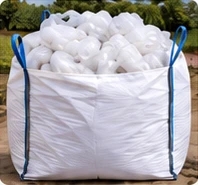
Silage and bale wrap, kept separate from other grades.
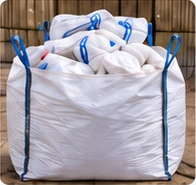
Clean, empty bags stored as their own material stream.
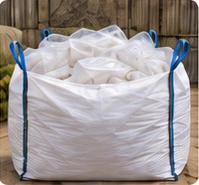
Clean LDPE, pallet wrap and shrink film, assessed before collection.
Keep grades separate
Keep film, woven sacks, rigid plastics, EPS, net wrap, twine and cardboard in separate material streams. Separate grades retain more recycling value and are quicker and safer to handle.
Keep it clean and dry
Shake out soil, stones, silage, feed and standing water. Store material under cover or in the agreed bags or containers where possible. Heavily contaminated loads may be rejected or reclassified.
Remove non-plastic items
Keep general waste and other non-recyclable material separate. Anything outside the agreed load needs separate assessment before booking.
Send photographs before collection
Photograph each material pile, the loading position and the access. Include something that shows scale, then estimate the number of bags, bales, pallets or cubic metres.
/ Duty of care
Agricultural waste is business waste and remains subject to duty-of-care requirements. Collections are arranged through a registered waste carrier, and accepted material is transferred only to a site whose permit or registered exemption covers that waste and activity. Each movement is supported by the required waste transfer information. A season ticket may be appropriate for repeat transfers of the same non-hazardous waste, and non-hazardous transfer records must be retained for at least two years.
Non-packaging farm plastics may fall under 02 01 04; packaging usually falls under Chapter 15. The correct code depends on the material’s origin, use and contamination and must be agreed before movement. We review the proposed documentation, but the producer remains responsible for accurate classification.
/ Materials needing separate approval
Some of these materials may have a separate specialist route. Send details first and wait for written confirmation.
/ Our collection process
Send the details
Postcode, farm name, contact number, photographs, material types, approximate quantity and access information.
We assess the load
We confirm the grades, preparation requirements, collection method, documentation and price. Site visit if the photographs need supplementing.
Prepare and separate
Keep each agreed grade separate and accessible. Do not add material after the load has been approved without checking with us.
Collection or booked delivery
We confirm the date, vehicle, loading arrangements and who is responsible for loading.
Keep the record
The relevant waste transfer and collection information is provided or retained for the agreed movement.
/ From agriculture back into industry
When farm plastics and packaging are correctly separated, they can be baled or otherwise prepared and sent as segregated waste to an appropriately authorised reprocessor, where they may be converted into secondary raw material.
Step 01
Farm
Materials separated and stored.
Step 02
3 Counties Recycling
Collected, checked, sorted and prepared under the agreed route.
Step 03
Reprocessor
Material cleaned and converted into a usable secondary feedstock.
Step 04
Manufacturer
New products made where technically feasible and commercially viable.
/ Frequently asked questions
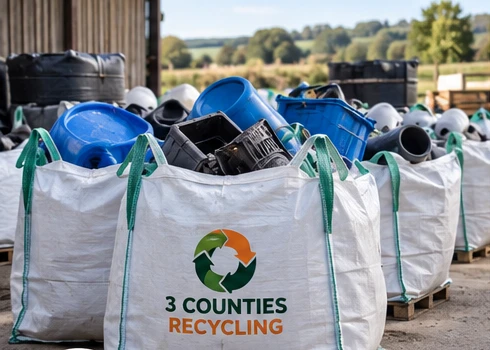
Send photographs, the farm postcode and an estimate of the quantity. We will tell you how to prepare it and quote the most practical route.
Materials are accepted only after assessment and written confirmation. The producer remains responsible for an accurate description and appropriate segregation. A collection booking does not authorise additional or undeclared material.