
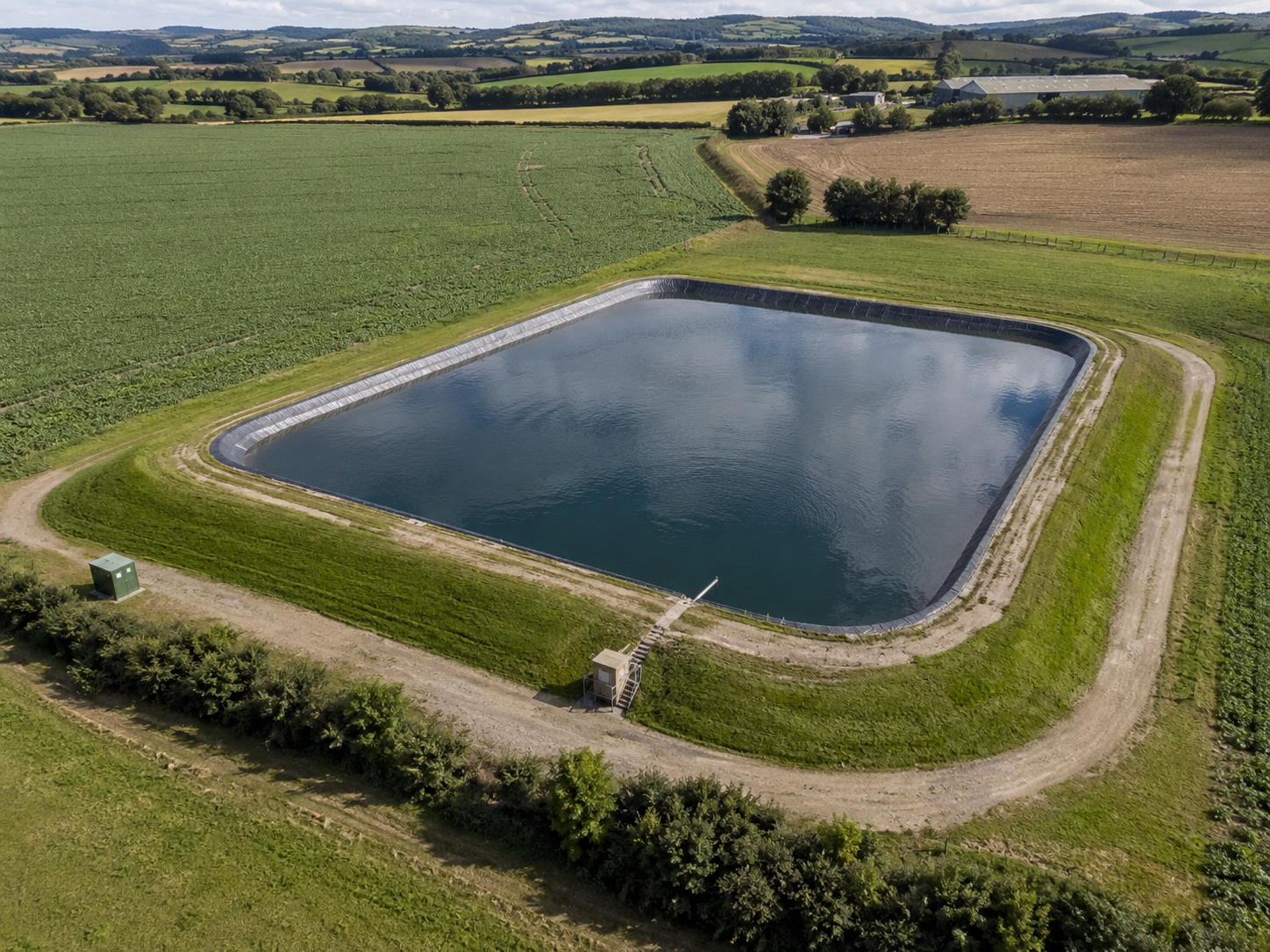
Rural infrastructure · water storage · coordinated route
One coordinated route from feasibility through construction to aftercare.
3 Counties Recycling coordinates the qualified specialists needed to take a farm reservoir project from an initial feasibility review through planning, engineering, material balance, earthworks, construction and aftercare. We do not provide regulated engineering design ourselves.
/ Six stages we coordinate
One point of contact, the right specialist at each stage.
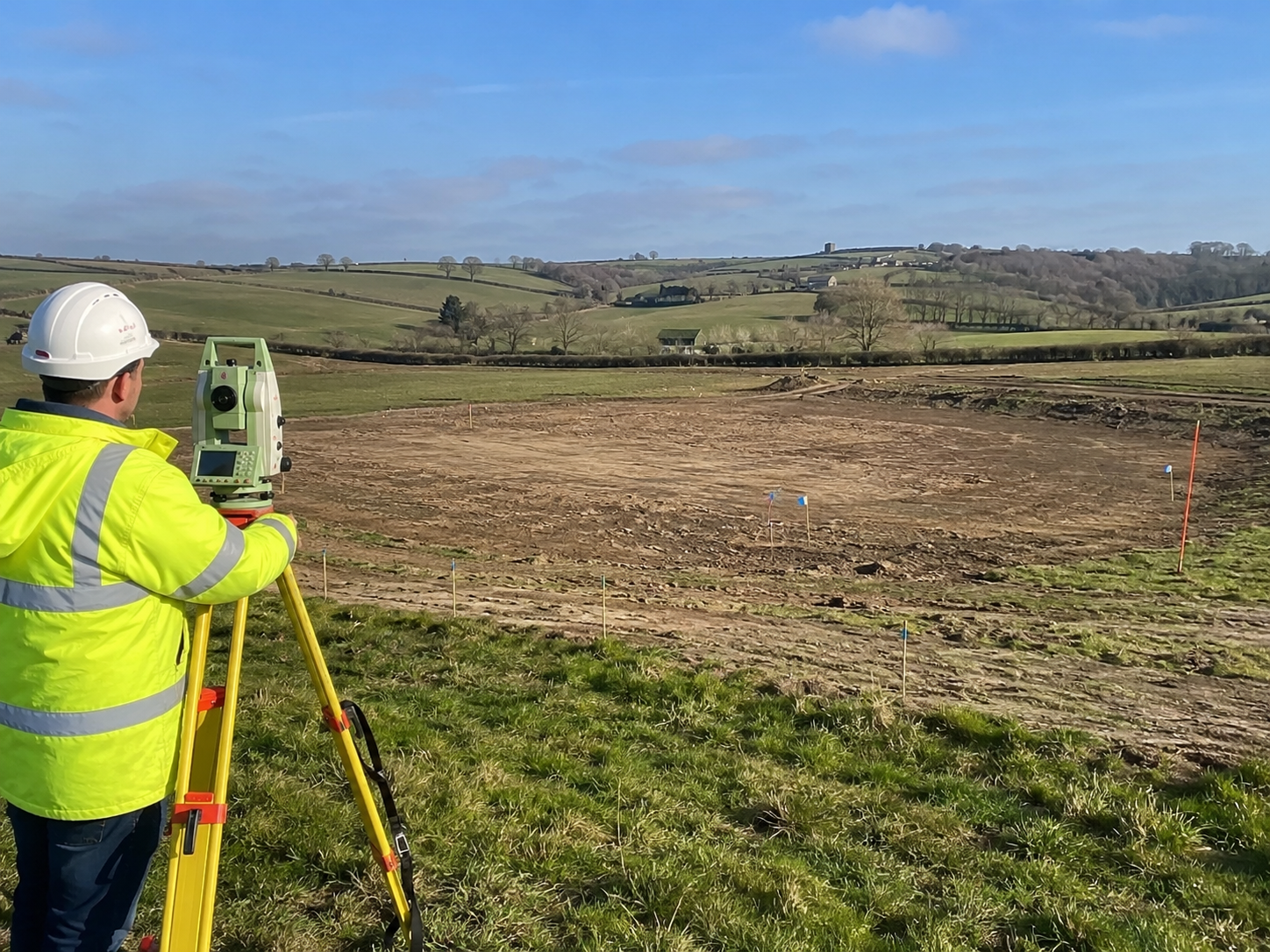
Feasibility
A first review of site, water source, water demand, capacity, drainage, planning context and material balance.

Planning coordination
Planning-screening checklist including permitted-development scope, EIA screening and the separate Natural England agricultural EIA question.
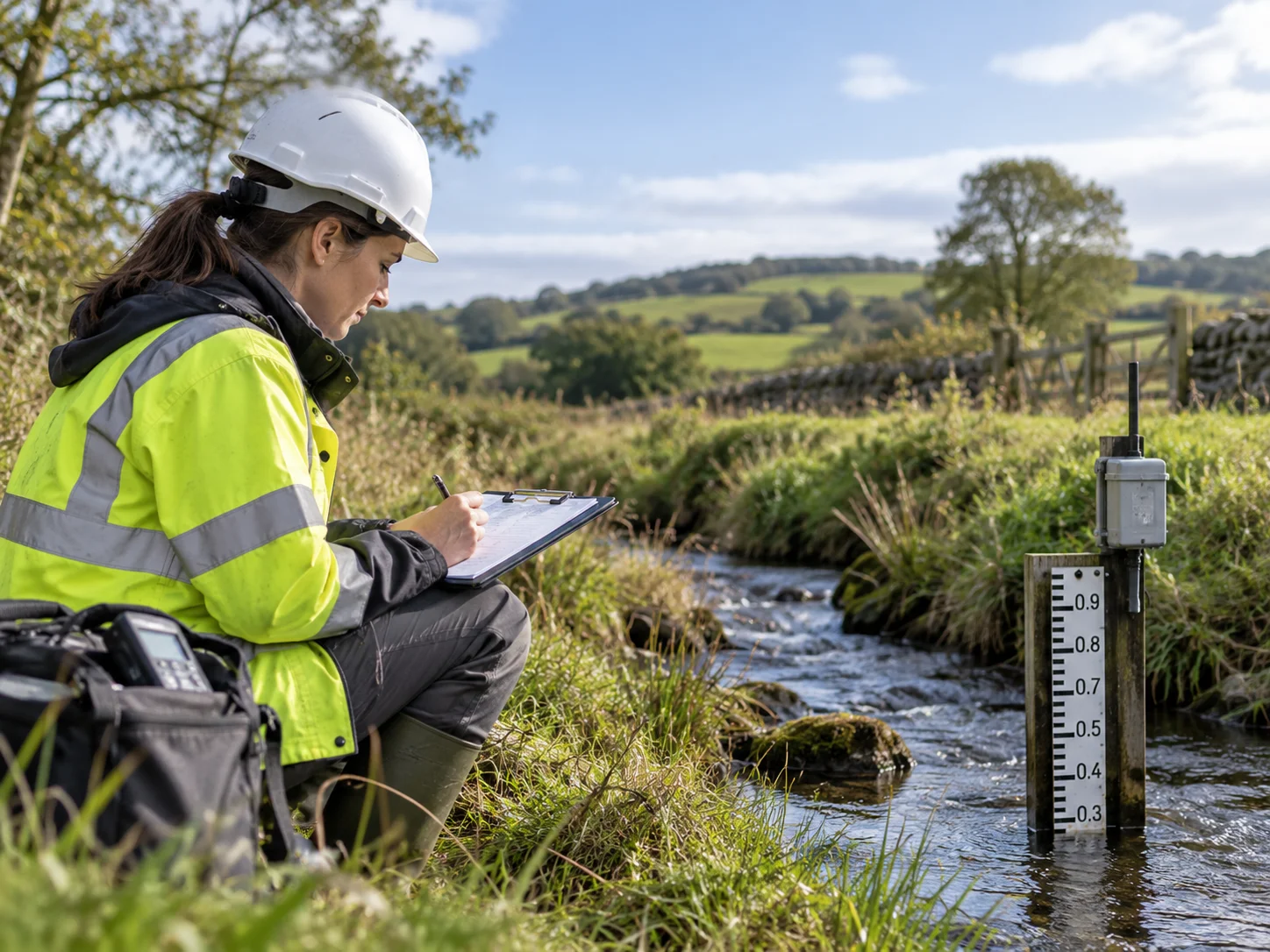
Water resource
Pre-application on abstraction, impounding and, where relevant, hydrogeological impact through the applicable specialists.

Engineering
Design and engineering appointments through qualified reservoir-panel, civil, geotechnical and drainage professionals.
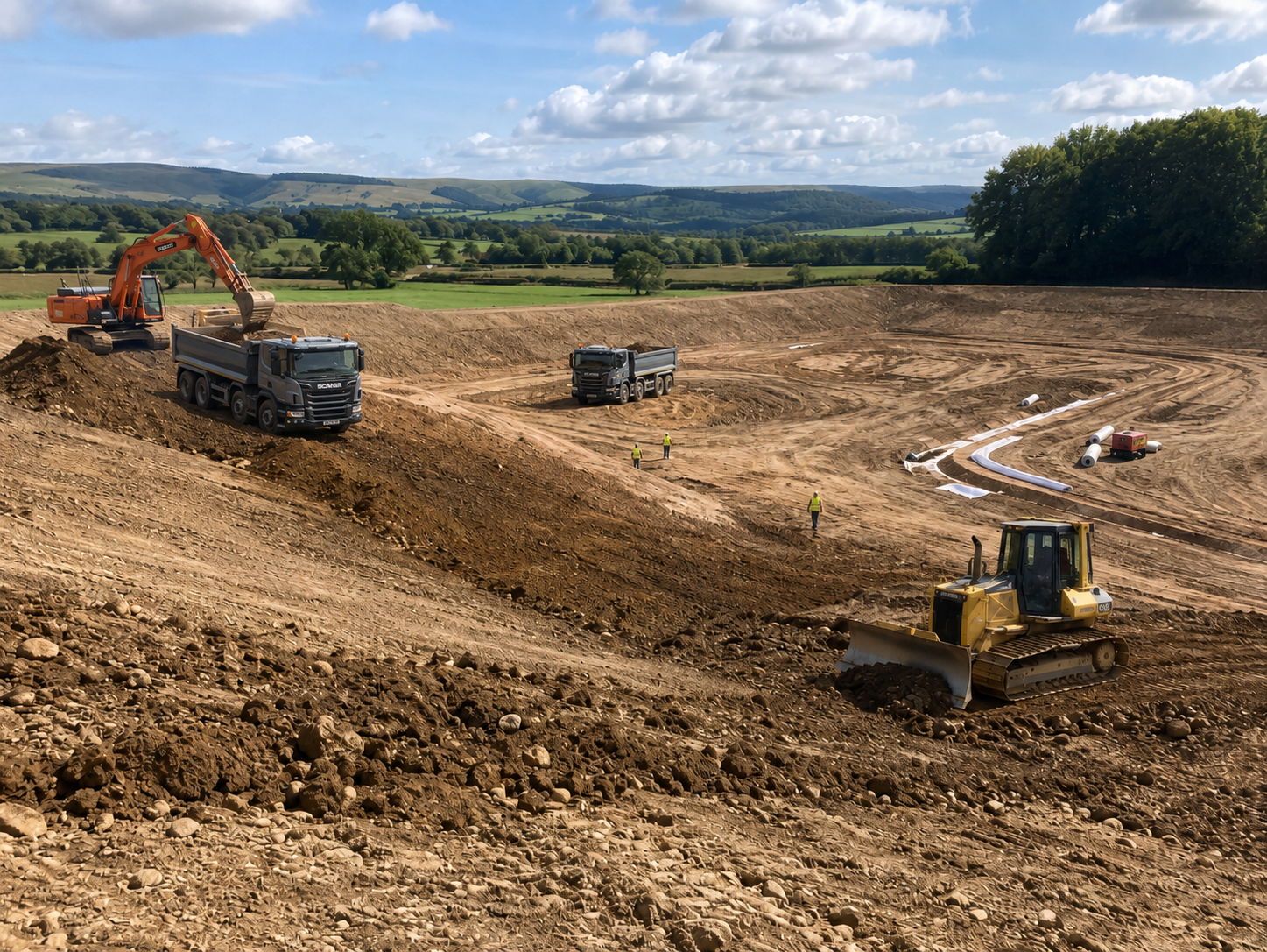
Construction
Earthworks, lining, inlet and outlet works and site management, with the applicable CDM appointments in place.
Aftercare
Inspection, monitoring and record-keeping requirements agreed at handover.
/ Before a feasibility visit
What to gather when you first get in touch.
The more accurately we can describe the site and the intent from the start, the more useful the feasibility visit and quotation will be.
- 01The farm address, postcode and access route.
- 02A rough intended reservoir capacity, purpose and target completion date.
- 03Any existing site plans, drainage, water-source or ground information you already hold.
- 04Any prior planning correspondence, feasibility work or engineering advice already commissioned.
- 05Any concerns about drainage, flood risk, water source or neighbours that we should know about.
/ Regulatory context
The approvals a reservoir project can touch.
Not every project needs every approval. The applicable route depends on the size, source, use and location. We flag the likely regulatory picture at feasibility so the project owner knows what will be needed and who will be responsible.
- Planning permission and, where applicable, permitted-development screening.
- Environmental impact assessment screening, including the separate agricultural EIA question handled by Natural England.
- Environment Agency abstraction and impounding pre-application, where relevant.
- Flood-risk assessment and flood-risk activity permits where the location or design triggers them.
- Reservoir owner and operator duties for large raised reservoirs, if applicable.
- CDM 2015 duties, pre-construction information and construction-phase plan for the works.
Any use of waste material in a reservoir project is only pursued through a currently applicable authorised route. Where that route is time-limited or under review, the position is rechecked for every relevant project.
Thinking about a farm reservoir? Start with a feasibility conversation.
Send the farm postcode, intended purpose, rough capacity, target completion date and any existing information you have. We will describe the next step, the likely specialists and the information still needed.